Hounslow Council rules for garden waste disposal in Heston
If you live in Heston and you are trying to work out the Hounslow Council rules for garden waste disposal in Heston, you are not alone. A few bags of grass cuttings, a heap of hedge trimmings, and suddenly the question becomes surprisingly annoying: what can go in the garden bin, what needs a special collection, and what should never be mixed in at all?
The short version is this: garden waste is usually straightforward if you separate it properly, keep contamination out, and choose the right disposal route for the amount you have. The longer version matters, because a small mistake can mean a rejected collection, extra handling, or a messy pile sitting in the driveway while you wonder what went wrong. Let's make it simple.
This guide explains how garden waste disposal typically works for Heston households, how to stay on the right side of council expectations, and how to manage larger clear-ups without making life harder than it needs to be. If you are also planning broader tidy-up work, you may find the practical advice on garden clearance useful later on.
Table of Contents
- Why Hounslow Council rules for garden waste disposal in Heston Matters
- How Hounslow Council rules for garden waste disposal in Heston Works
- Key Benefits and Practical Advantages
- Who This Is For and When It Makes Sense
- Step-by-Step Guidance
- Expert Tips for Better Results
- Common Mistakes to Avoid
- Tools, Resources and Recommendations
- Law, Compliance, Standards, or Best Practice
- Options, Methods, or Comparison Table
- Case Study or Real-World Example
- Practical Checklist
- Conclusion
- Frequently Asked Questions
Why Hounslow Council rules for garden waste disposal in Heston Matters
Garden waste sounds harmless, and mostly it is. But councils have to manage it in a way that is safe, recyclable where possible, and easy to process. That means rules around what counts as garden waste, how it should be presented, and what must be kept out of green waste streams.
For Heston residents, this matters for a few practical reasons. First, you avoid rejected collections. Second, you reduce the chance of contamination, which can spoil an otherwise useful load of material. Third, you save time. Nothing feels more pointless than carefully bagging up hedge clippings only to discover they were mixed with soil, rubble, or plastic plant pots.
There is also a local reality to consider. Many gardens in Heston are compact, shaped by London living, with seasonal bursts of pruning, mowing, and leaf fall. One Saturday can turn from "I'll just tidy the border" into a small mountain of cuttings before lunch. That is where knowing the rules pays off. It helps you decide whether to use the council route, arrange a private clearance, or combine disposal with a broader maintenance visit.
Expert summary: if the waste is mostly natural plant material and kept clean, it is usually easier to deal with. If it is mixed, heavy, wet, woody, or contaminated, you should slow down and sort it first. That one habit saves a lot of hassle.
How Hounslow Council rules for garden waste disposal in Heston Works
The exact operational details can change over time, so it is always wise to check the latest council guidance before setting anything out. Still, the general pattern is familiar across UK councils: garden waste must be separated, prepared correctly, and presented in the approved way for collection or disposal.
What usually counts as garden waste
In plain English, garden waste is the biodegradable material that comes from normal gardening. Think grass cuttings, hedge trimmings, leaves, weeds, small branches, and similar plant matter. If you have just finished a hedge trim, the clean cuttings are generally the kind of thing councils expect in garden waste collections.
If your tidy-up includes heavier work, you may also want to look at the practical options around hedge trimming and tree lopping and removal, because larger woody material can change how you approach disposal.
What usually should not go in
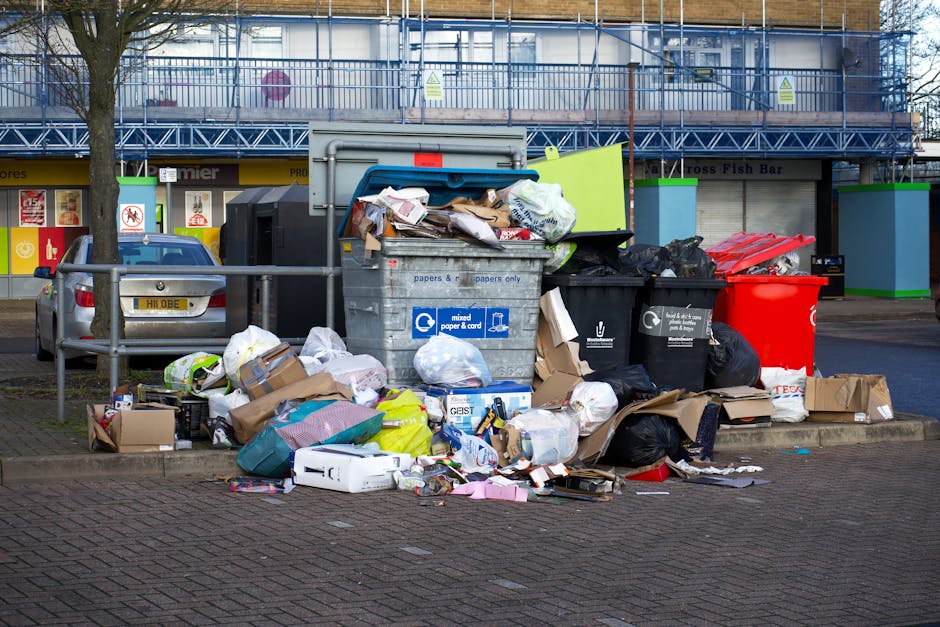
Mixed waste is where people trip up. Soil, stones, concrete, plastic bags, treated timber, garden furniture, flower pots, and general household rubbish are normally not suitable for garden waste collections. Even a small amount of contamination can create problems, especially if a collection crew spots it quickly.
It is a bit like washing up: if you leave one greasy pan in the sink, the whole job takes longer. Not glamorous, but true.
How waste is commonly presented
Many councils prefer loose, manageable, and clearly separated green waste. Others may allow specific bins, sacks, or approved containers. The important part is not the container itself, but whether the waste is safe to collect and process. Overfilled bags, sharp sticks poking out, or wet compacted grass can all make collection less efficient.
How larger jobs are usually handled
If you have a major clear-out after a long growth period, a spring reset, or storm damage, the ordinary council route may not be the smoothest option. In those cases, a wider clearance plan can be more practical, especially if you are already planning a full tidy-up and want help with sorting, loading, and removal. For that kind of work, garden maintenance and services overview pages can help you think through the broader job, not just the waste itself.
Key Benefits and Practical Advantages
Following the rules is not just about avoiding a complaint or a missed collection. There are some very real everyday benefits.
- Cleaner garden workflow: once you know what goes where, the tidying job moves faster.
- Less contamination: clean waste is easier to process and less likely to be rejected.
- Better cost control: you avoid last-minute fixes, extra trips, or unnecessary disposal fees.
- Safer handling: separated waste is easier to lift, stack, and move without surprises.
- Less stress: that sounds minor, but it matters when you are already dealing with a pile of damp cuttings and a very determined wheelbarrow.
There is also a sustainability angle. Green waste is one of the easier waste streams to manage well when it is sorted properly. Councils and professional garden teams can only do so much if material arrives mixed with the wrong items. Keeping it clean makes the whole process more efficient, which is common sense really.
For people who want a tidy outdoor space without waste becoming the main headache, it often makes sense to combine disposal thinking with ongoing upkeep. A regular lawn mowing routine, for example, keeps grass cuttings under control before they become a soggy weekend project.
Who This Is For and When It Makes Sense
This topic is relevant to a lot of people, not just homeowners with large gardens. If you live in Heston and handle any kind of outdoor maintenance, the rules affect you more often than you might think.
Homeowners doing seasonal tidy-ups
Spring and autumn are the usual pinch points. One weekend you are clearing leaves and pruning shrubs; the next you are dealing with bags, branches, and enough debris to make the patio look smaller than it is. Understanding the disposal route before you start saves a lot of back-and-forth.
Landlords and property managers
If you are responsible for a rented property, garden waste can build up fast between tenancies. You need a process that is predictable and compliant. A neat, well-timed clearance helps avoid tenant disputes and keeps the property presentable.
People preparing for a garden refresh
Before landscaping work, decking changes, or a redesign, you often need to remove old growth and clutter first. In those situations, disposal is part of the project, not an afterthought. It can be helpful to review landscaping or landscape gardening if your tidy-up is the start of something bigger.
Anyone with limited time or mobility
Truth be told, garden waste is one of those jobs that looks small until you have to carry it. If lifting, bagging, or making multiple trips to the kerb is awkward for you, a managed service can be the sensible route. No drama, just practical reality.
Step-by-Step Guidance
Here is a simple way to approach garden waste disposal in Heston without overthinking it.
- Work out what you have. Separate grass, leaves, hedge trimmings, branches, soil, and anything non-organic.
- Remove contaminants. Pick out plastic ties, pots, stones, labels, wire, and general litter.
- Check the size and weight. A small mow and trim is one thing; a full garden reset is something else entirely.
- Decide the disposal route. If it is a normal amount of clean green waste, council collection may be enough. If it is substantial, mixed, or awkward, a private clearance approach may be more suitable.
- Store it neatly. Keep material dry where possible and stacked safely so it does not spill into walkways.
- Present it correctly. Use the council's approved method if you are using the local collection route.
- Follow up quickly. If something is not collected, sort it the same day if you can. Waiting only makes it heavier and messier.
A small tip from real life: do the sorting before the end of the job, not after you are already tired. Once the hedge has been cut and the sun has dropped, everything feels twice as bulky. Weirdly, even the same pile looks more aggressive at 5 p.m.
Expert Tips for Better Results
Good waste disposal is mostly about habit. Once your routine is right, the job gets easier every time.
- Cut and clear in stages: if you are pruning a big hedge, collect as you go instead of building one giant mound.
- Keep green waste separate from hard waste: don't toss in rubble, timber screws, or old compost bags.
- Use the right tool for the cut: cleaner cuts create neater waste and are easier to bundle.
- Dry out wet grass if possible: heavy wet clippings are awkward and can create odour quickly.
- Bundle branches sensibly: small, tidy bundles are safer than a loose, pokey heap.
- Plan for the season: autumn leaf fall and spring growth create predictable spikes, so prepare for them rather than reacting late.
If you want a less stressful routine, consider pairing disposal planning with regular upkeep. A modest amount of work each fortnight often beats one dramatic Saturday when the garden suddenly looks like it has been left to fend for itself.
Common Mistakes to Avoid
Most garden waste problems are avoidable. These are the ones people run into most often.
Mixing green waste with general rubbish
It happens because everything is already in the same corner and you are trying to be efficient. But mixed waste is a headache. Once household rubbish gets into green waste, the whole load can become a problem.
Including soil, rubble, or stones
Heavy inert material changes the character of the load. It is not just a matter of weight; it also affects how the waste can be processed. Soil especially is a frequent culprit after border work.
Overfilling bags or bins
People tend to do this at the end, when there is "just a bit left". That is usually when handles snap, bags split, and everyone regrets optimism.
Leaving waste in public view too long
If waste is set out before collection day or left in a front garden for days, it can look untidy and attract complaints. Keep it timed properly.
Assuming every branch is acceptable
Small twigs are one thing. Thick woody sections can need a different approach, especially after pruning trees or mature shrubs. That is where a service like tree lopping and removal becomes relevant.
Tools, Resources and Recommendations
You do not need fancy kit, but a few basics make the whole process less painful.
- Heavy-duty garden sacks: useful for leaves and light cuttings.
- Rake and leaf grabber: ideal for faster collection after mowing or pruning.
- Pruning shears and loppers: help you keep waste to a manageable size.
- Wheelbarrow or garden trolley: saves your back and reduces repeated lifting.
- Tarpaulin: handy for moving cuttings across paths without scattering debris everywhere.
- Gloves and sturdy footwear: simple, boring, essential.
For homeowners who prefer a more managed approach, it is often worth considering a regular plan rather than waiting for waste to pile up. You may find the company's pricing and quotes information helpful if you are comparing the effort of DIY disposal against a professional clear-up.
If environmental responsibility matters to you, the page on recycling and sustainability can be a sensible next stop. Not because you need a lecture, but because good disposal practice and good garden care should go together.
Law, Compliance, Standards, or Best Practice
Garden waste disposal is not the kind of topic that usually sends people to court, but there are still real standards to follow. In the UK, waste should be handled in a way that avoids nuisance, contamination, and unsafe storage. Councils generally expect residents to separate garden waste cleanly and present it in accordance with their collection rules.
Best practice is simple:
- keep green waste separate from non-organic waste
- avoid dumping on land or in communal spaces
- follow collection instructions exactly
- store material safely if collection is delayed
- use a registered and reputable service if you are paying someone to remove waste
There is also a duty of care mindset here, even for ordinary households. In practical terms, that means you should think about where your waste goes, who handles it, and whether it is being managed responsibly. You do not need to become an expert in waste law. You do need to avoid the obvious mistakes.
If you are hiring help, it is sensible to choose a provider that is transparent about safety, insurance, and working practices. Those details matter, even for what looks like a simple garden job. The pages on health and safety policy and insurance and safety are worth reading if you want to understand the standards behind the work.
Options, Methods, or Comparison Table
There are usually three realistic ways to handle garden waste in Heston: council collection, private garden clearance, or a mixed approach where you do some work yourself and bring in help for the awkward parts.
| Method | Best for | Pros | Watch out for |
|---|---|---|---|
| Council garden waste collection | Small to moderate amounts of clean green waste | Convenient, familiar, usually cost-effective | Rules must be followed closely; contamination can cause problems |
| Private garden clearance | Larger, mixed, or time-sensitive clear-ups | Faster, more flexible, less lifting for you | Can cost more than council collection |
| DIY sorting and transport | Households with time, space, and the right vehicle | Full control, immediate action | Messy, time-consuming, and not ideal for heavy waste |
In many real situations, the mixed approach is the sweet spot. You clear the obvious stuff yourself, then arrange support for the bulky remainder. It sounds unexciting, but it often works better than trying to force one method to fit everything.
Case Study or Real-World Example
Here is a typical Heston scenario. A homeowner trims back an overgrown hedge along the fence, mows the lawn, and removes a few dead shrubs that had been ignored since last summer. By the time the job is finished, there are bags of cuttings, a small pile of woody stems, and a muddy patch where the border used to be tidy.
At first, it looks like a simple garden waste job. Then the details appear. The grass cuttings are fine, but the hedge material is mixed with stray bits of wire and an old plastic tie. One bag is too heavy. Another contains a bit of soil from root removal. That is the point where sorting becomes more important than speed.
The best outcome in a case like this is usually to split the load into categories: clean green waste for collection, reusable or recyclable items separated out, and anything contaminated or heavy dealt with another way. If there are tree branches involved, even a few thicker ones, a targeted clearance service can save a second round of lifting and sorting.
What stood out most, in situations like this, is how much calmer the job feels once the waste is sorted properly. The garden stops looking like a problem and starts looking like progress. That matters more than people expect.
Practical Checklist
Use this quick checklist before you book a collection or set anything out for disposal:
- Have I separated green waste from household rubbish?
- Did I remove plastic, string, pots, stones, and metal?
- Are the bags or bundles manageable and safe to lift?
- Is the waste mostly leaves, grass, weeds, or trimmings?
- Have I identified any heavy soil or rubble that needs another route?
- Do I know the correct presentation method for council collection?
- Would a broader clearance service save me time and hassle?
- Have I checked whether this is part of a larger garden job?
- Is the area where I stored the waste neat and safe?
- Do I have the right gloves, tools, and transport before starting?
If you can tick most of those off, you are usually in good shape. If not, pause for ten minutes and sort it now. Future you will be grateful, honestly.
Conclusion
Hounslow Council rules for garden waste disposal in Heston are not complicated once you break them into clear steps: separate the waste, keep it clean, present it properly, and choose the right route for the amount you have. The real key is not perfection. It is preparation.
For small regular jobs, council collection can be a straightforward option. For bigger seasonal clear-outs, mixed waste, or gardens that need a more thorough reset, a professional approach often saves time and stress. Either way, the best results come from handling garden waste as part of the overall garden plan, not as an afterthought at the end of the day.
Get a free quote today and see how much you can save.
And if your garden is whispering for a proper tidy-up, that is usually worth listening to. A calm, clean outdoor space has a way of improving everything else too.
Frequently Asked Questions
What counts as garden waste in Heston?
Garden waste usually includes grass cuttings, leaves, weeds, hedge trimmings, small branches, and other natural plant material from normal garden maintenance.
Can I put soil in my garden waste collection?
Soil is often treated differently from green waste and may not be accepted in normal garden waste collections. Check the current council rules before mixing it in.
Are plastic plant pots allowed?
No, plastic plant pots should generally be kept out of green waste. They are contamination and need a different disposal route.
What should I do with thick branches?
Thick branches may need bundling, cutting down further, or removal through a larger garden clearance service rather than a standard green waste collection.
Can I mix hedge trimmings with lawn clippings?
Yes, if both are clean garden waste and the council collection method allows it. The key is keeping out non-organic material and heavy contamination.
What happens if my garden waste is rejected?
If a collection is rejected, it is usually because of contamination, incorrect presentation, or overweight bags. You will need to sort it and present it again properly.
Is garden waste disposal free in Heston?
That depends on the collection route and the service used. Council services and private services may have different arrangements, so it is sensible to check before booking.
What is the easiest way to handle a big garden clear-up?
The easiest way is usually to separate the waste as you work and decide early whether the job is small enough for council collection or better suited to a clearance service.
Do I need to dry out wet grass cuttings first?
If you can, yes. Wet grass is heavier, harder to bag, and more likely to smell. It is a small thing, but it makes a noticeable difference.
Can I leave garden waste on the pavement outside my house?
Only if it is permitted by the council collection rules and only for the correct collection time. Leaving it out too early can create nuisance or complaints.
How often should I clear garden waste?
For many homes, a regular small clear-up is better than waiting for a major build-up. Weekly or fortnightly attention during growth periods usually keeps things manageable.
Should I hire help for garden waste disposal?
If the waste is large, heavy, mixed, or simply too much to handle comfortably, hiring help can be a very sensible choice. It saves time, lifting, and a fair bit of frustration.
For more about the team behind the work, you can also visit the about us page or use the contact us page if you want to talk through a specific garden issue.