Hedge Trimming in Heston for neat, healthy boundaries
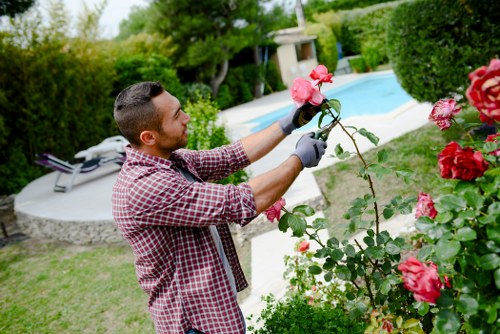
Hedge Trimming in Heston is a practical garden service for keeping borders tidy, light-balanced and shaped to suit the space. We focus on the cutting, reducing and finishing needed to keep hedges looking deliberate rather than overgrown, while also helping them stay manageable through the seasons. Whether a hedge frames a front drive, marks a rear boundary or divides different parts of a garden, the aim is a clean result that respects the plant’s form and the customer’s preferred finish.
Our work can cover regular trimming for established hedges, one-off reshaping where growth has become uneven, and careful reduction when a hedge has outgrown its allotted space. For mixed gardens, that can mean combining trimming with garden maintenance so the hedge is dealt with alongside the wider outdoor area in a sensible order. We keep the service focused on the visible finish, the plant’s condition and the practical access needed to complete the job properly.
Where hedges have become dense or tall, cutting choices matter as much as the amount removed. The right approach depends on species, growth pattern, access and the finish you want, so trimming is not just about shortening stems. In some cases a lighter, repeated cut will preserve shape better than a heavy reduction. In others, a more decisive tidy-up can restore a boundary that has lost definition. Careful trimming helps avoid an uneven look and supports a more consistent line over time.
Hedge care for different shapes and finishes
Not every hedge is maintained in the same way. Formal hedges usually need straight lines, level tops and crisp sides, while informal screens may benefit from a softer outline that still looks deliberate. We trim with the hedge’s role in mind, so a narrow front-garden feature is not treated the same way as a thicker privacy barrier. That distinction helps us choose a finish that suits the planting rather than forcing every hedge into one style.
Our services overview is useful if you want a broader picture of the garden work we cover alongside trimming. In many gardens, hedge work sits alongside boundary shaping, seasonal tidying and other routine tasks that keep the whole space in order. We keep the main focus on the hedge itself, but the surrounding setting matters because access, nearby planting and the hedge’s relationship to paths or fences can affect how the cut is carried out.
What trimming can improve
Regular hedge cutting can improve the appearance of the whole garden without changing its character. A hedge that is trimmed at the right time can let in more light, keep walkways clearer and reduce the sense of the boundary leaning into the space. It can also prevent one side from becoming much fuller than the other. When a hedge is allowed to spread too far, the correction is often slower and more involved, so maintenance is usually more straightforward than recovery.
Reducing overgrown hedges with a controlled finish

Some hedges need more than a light tidy. If growth has moved beyond the original line, a careful reduction may be required to bring the hedge back into proportion. That kind of work needs judgement: remove too much at once and the hedge may look sparse; remove too little and the shape remains awkward. We aim for a result that is visually balanced and still realistic for the plant, rather than a rushed cut that only hides the problem temporarily.
When reduction is needed, we consider thickness, height and how the hedge has been maintained previously. A hedge that has been clipped regularly is often easier to bring back neatly than one left unchecked for several seasons. For more substantial boundary work, some customers also look at landscape gardening because they want the hedge to sit better with the rest of the outdoor layout. Even then, the trimming itself remains a distinct task with its own finish and priorities.
Supported by sensible cutting intervals, hedges are generally easier to manage than when they are left to run on. A well-shaped hedge usually has clearer edges, better proportion and a more polished appearance from all angles. We can trim to preserve a compact profile, open up a top that has gone uneven, or restore a side line that has started to bulge. The method depends on the hedge, not on a one-size-fits-all routine.
Seasonal hedge work and garden boundaries
Hedge trimming often works best when it is treated as part of the garden calendar rather than an emergency task. Different hedges respond differently through the year, and the cut should suit the stage of growth as well as the intended finish. Some customers prefer to keep a hedge consistently neat with repeated maintenance, while others want one stronger visit after a period of neglect. Both approaches can be sensible, but they suit different planting and different expectations.
We can also handle hedge work that sits near other garden features, where the finish needs to stay clean around steps, patios, paths or fences. In those settings, the hedge is not just a green screen; it is part of how the garden feels when you move through it. A straight line can make a narrow space feel calmer, while a softer contour can suit a more relaxed planting style. Either way, the cut should look intentional.
For customers comparing garden services, garden clearance may be relevant if the hedge area has been crowded by cuttings, broken growth or general debris. Clearing and trimming are separate tasks, but they often support each other. A hedge can only look fully finished when the surrounding area is left tidy, so the last stage of the work matters as much as the cut itself. That final tidy-up is part of presenting the hedge properly.
Shaping, tidying and keeping hedges workable

Good hedge trimming is as much about form as it is about growth control. A hedge that is kept workable tends to be easier to maintain because the shape stays defined and future cuts are more predictable. That does not mean every hedge should be made perfectly rigid. Instead, the finish should match the plant and its setting, with clean lines where they help and more natural curves where they suit the garden better. The result should look considered, not over-processed.
Our hedge trimming service sits at the centre of this work, and it is the most direct route if the hedge itself is the main concern. Trimming can be combined with edging, selective reduction and a general tidy, depending on what the hedge needs. We keep the task focused on the hedge’s appearance, but we also pay attention to practical details such as nearby planting, access along the boundary and the best order for making the cuts.
- Cleaning up the line where growth has pushed beyond the boundary
- Creating a level top or a softer profile to match the garden
- Reducing awkward bulges that make a hedge look uneven
- Maintaining a boundary that still feels manageable from season to season
How hedge trimming is planned around access and plant condition
Before a hedge is cut, it helps to think about access and the hedge’s current condition. Narrow side passages, sloping ground and planting close to the base can all influence how the work is carried out. A hedge that has become woody or patchy may need a more careful approach than a soft, leafy hedge with fresh growth throughout. Planning for these differences supports a better finish and reduces the risk of making the boundary look lopsided.
Two practical details often make the process smoother. First, it helps to know the hedge’s approximate size and whether any parts are especially dense or uneven. Second, if there are obstacles close to the boundary, moving them beforehand can make the trimming cleaner and more efficient. You do not need a long brief, but clear information on the hedge’s condition and access can make the quotation more accurate. If the hedge is part of a wider refresh, you may also want to book garden maintenance alongside it.
Customers sometimes ask whether all hedges can be trimmed in the same way, and the honest answer is no. A young hedge may need shaping to encourage balance, while an older hedge may need restraint to avoid stripping away too much foliage. Some varieties tolerate repeated clipping well; others need more measured cuts. We work with the hedge in front of us and aim for a finish that stays neat without forcing the plant beyond what it can reasonably support.
Trimming that supports privacy, light and a neat outlook

A hedge can serve several purposes at once: screening, edging, framing or softening the hard lines of walls and fences. Trimming helps you keep those benefits without allowing the hedge to dominate the space. A well-managed hedge can preserve privacy while still letting in enough light for the garden to feel open. It can also sharpen the view from the house, making the whole frontage look more ordered and cared for.
For some customers, the main concern is simple presentation. The hedge may already be healthy, but the line has become untidy or the top has started to drift. In those situations, a careful tidy is often enough to restore balance. For others, the hedge is part of a larger garden arrangement and needs to sit neatly with beds, turf and paths. In that case, the trimming should be precise enough to avoid making the rest of the layout look accidental or unfinished.
We can discuss the hedge’s intended role before any work begins so the trimming matches the result you want. That might mean a sharper formal edge, a broader side line or a gentler reduction around a living screen. If the hedge is one element of a fuller outdoor project, landscaping may be relevant too, but the hedge cut itself remains a separate service with its own purpose and method.
About Heston
Heston is a district in the London Borough of Hounslow, in west London, lying between Southall, Hanwell, Osterley and Cranford. It is known for a mix of residential streets, local roads and open spaces, with the A4 Great West Road forming one of the most recognisable transport corridors nearby. The area’s history reaches back well beyond modern suburbia: Heston was once a rural parish, and its older landscape was shaped by farmland, manorial ownership and the gradual spread of settlement from London. Traces of that past remain in the street pattern and in the relationship between older cores and later housing. The district includes places of architectural and historical interest such as St Leonard’s Church, which reflects the long continuity of the settlement, while the surrounding area has been altered by 20th-century development and the growth of transport infrastructure. Heston Aerodrome played a notable role in early aviation history before later redevelopment changed the land use. Today the area sits within a busy west London setting, but it still retains a local identity through parks, schools, places of worship and community facilities. Nearby open spaces and corridors of greenery help soften the built environment, and the district as a whole forms part of the wider suburban fabric that connects Hounslow with adjoining parts of west London. Its mix of older routes, later housing and everyday amenities gives it a layered character rather than a single uniform look.
Keeping hedge work tidy from start to finish
Once trimming is complete, the result should look finished rather than merely shortened. That means paying attention to the line left behind, the symmetry of each side and the small details around the base and top. Where appropriate, the hedge should read as part of the whole garden instead of standing out as a rough cut. Clean finishing can make a major difference to the appearance of a boundary, especially where the hedge is visible from the street or from main seating areas.
We also think about what is left behind after the cut. Loose trimmings, clipped tips and uneven bits can distract from the work if they are not gathered properly. This is one reason many customers prefer hedge trimming to be handled as a full service rather than a quick pass with no attention to the aftermath. If the job sits alongside other outdoor work, tree lopping and removal may be relevant where larger woody growth is affecting the same boundary, though the hedge itself still needs its own careful finish.
When deciding on hedge work, it is worth thinking in terms of the whole boundary rather than only the visible top edge. Side growth, access to the back of the hedge and the way the plant joins other features all shape the final result. A tidy line is useful, but the best outcome is one that also feels practical and sustainable. That is what makes regular hedge trimming worthwhile: it keeps the garden easier to manage and the boundary more pleasing to look at.
Request a quotation for hedge trimming in Heston

If you want a hedge trimmed, reduced or reshaped in Heston, a quotation is the easiest next step. The more clearly the hedge’s size, condition and access are described, the more accurately the work can be assessed. If you are comparing a few garden tasks, it can help to note whether the hedge trimming is the main job or part of a wider refresh. That keeps the scope clear and helps the service match your priorities without unnecessary extras.
You can also look at pricing and quotes if you want to understand how enquiries are handled before you decide what to request. For many customers, the most useful approach is to explain the hedge’s current shape, whether it needs a light tidy or a more substantial reduction, and whether access is straightforward. From there, the work can be discussed in a practical way rather than treated as a generic garden task.
For a straightforward next step, send over the hedge details and ask for a quotation. If you prefer to keep the request simple, we can still work from a brief description and build from there. Contact us for a hedge trimming quotation.